Science Communication
Science communication is communication about research with those outside of the scientific community.
What is Science Communication?
- Scholarly communication is about communication within academia/between researchers, while
- Science communication describes communication about research with those outside of the scientific community.
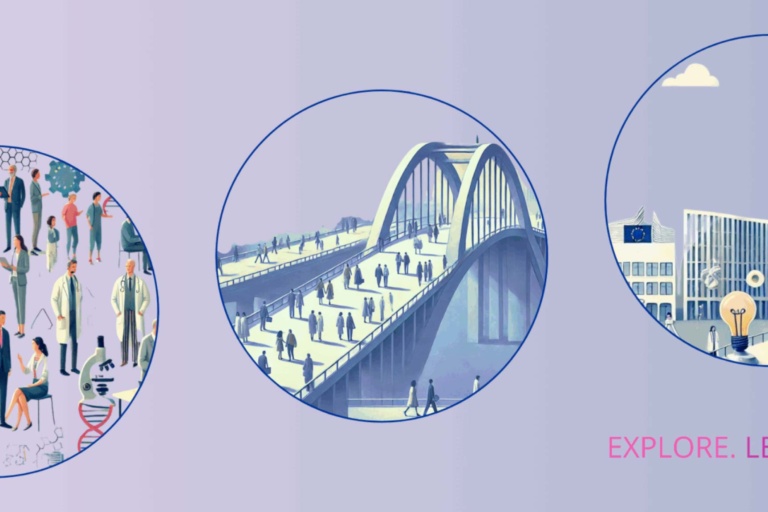
Science communication can be undertaken with various degrees of interaction:
- Information: Characterised by one-way communication aimed at a passive recipient, for example, press releases or popular science articles and lectures.
- Dialogue: Characterised by all parties having a role as both senders and receivers. Both researchers and the general public have an opportunity to speak and take an active interest in each other’s views. (In cases where there is an opportunity for two-way communication, but where only one party is active e.g. blogs with a comment function that is unused, it is known as pseudo-dialogue.)
- Co-creation: Characterised by two-way communication, whereby all parties not only have an opportunity to express their views but are also given influence in the research process. This can be anything from identifying ethical barriers or new research topics, to helping with data collection or being involved in communicating and using research findings.
The levels should not be understood as evaluative. The degree of involvement and interactivity that is appropriate in a given situation depends on a number of different factors, such as the research area, the research questions, the methodology, the target group and the purpose of the communication.
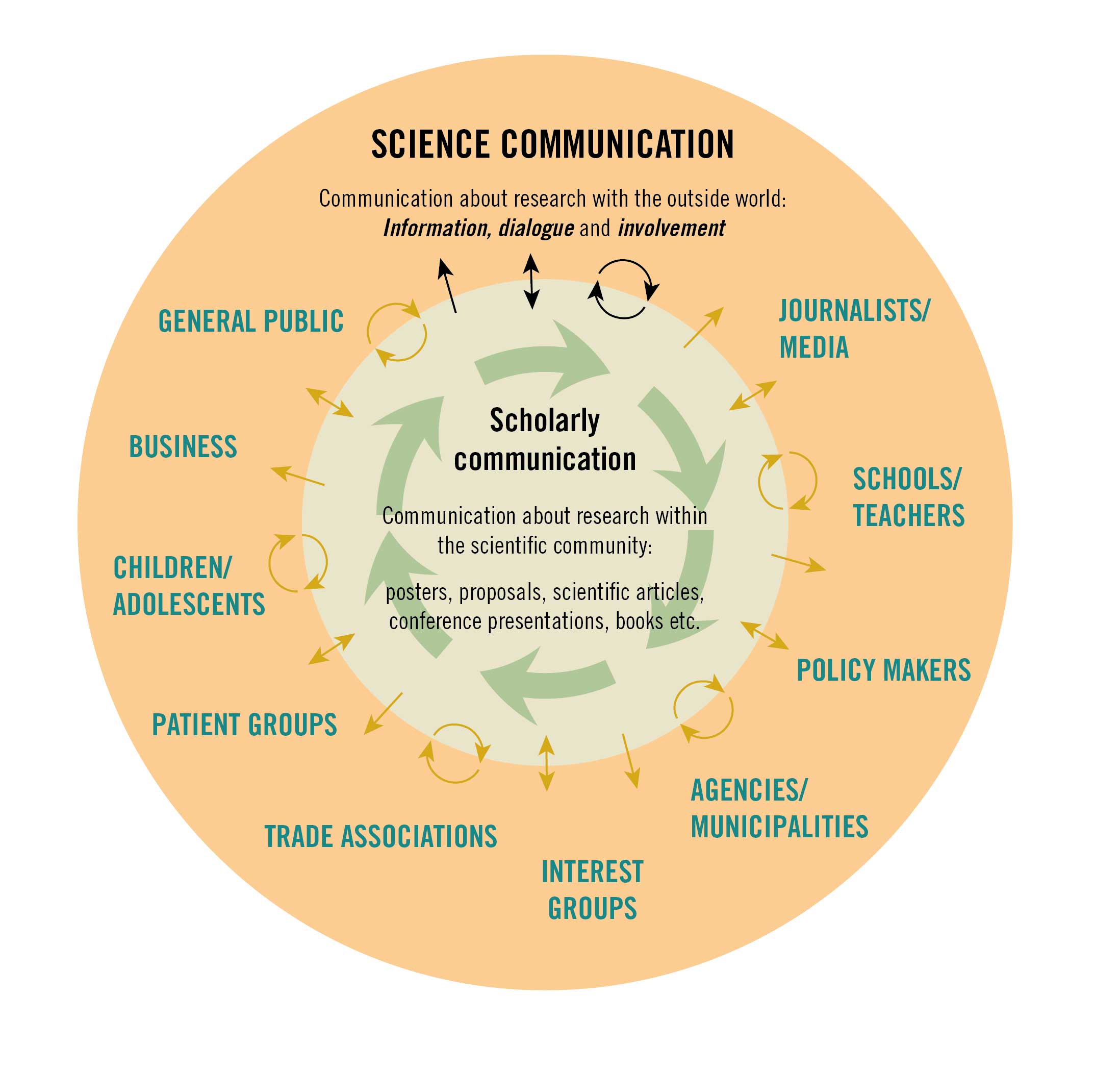 Illustration: Lotta W Tomasson/Vetenskap & Allmänhet CC BY-NC-SA 4.0
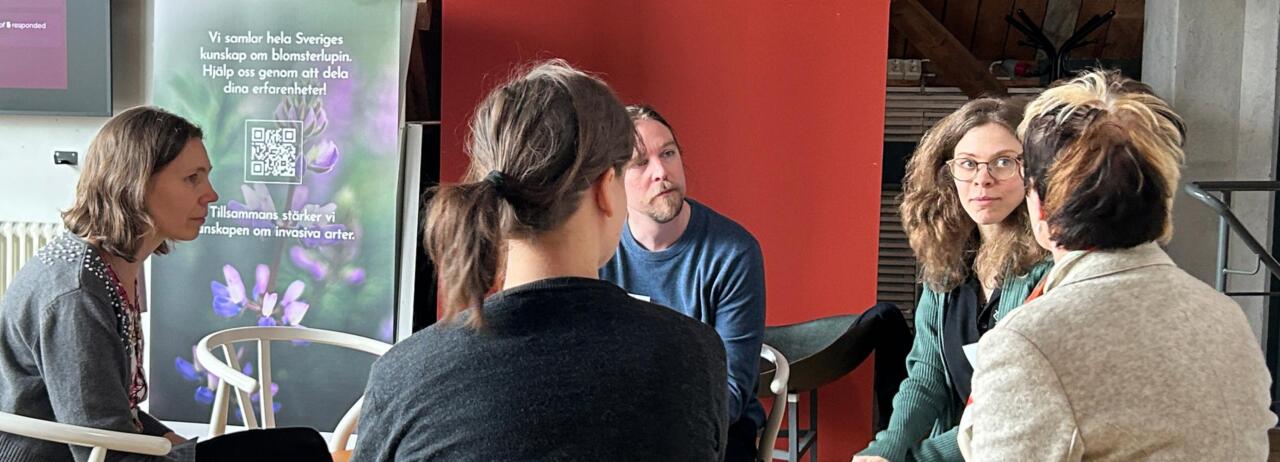
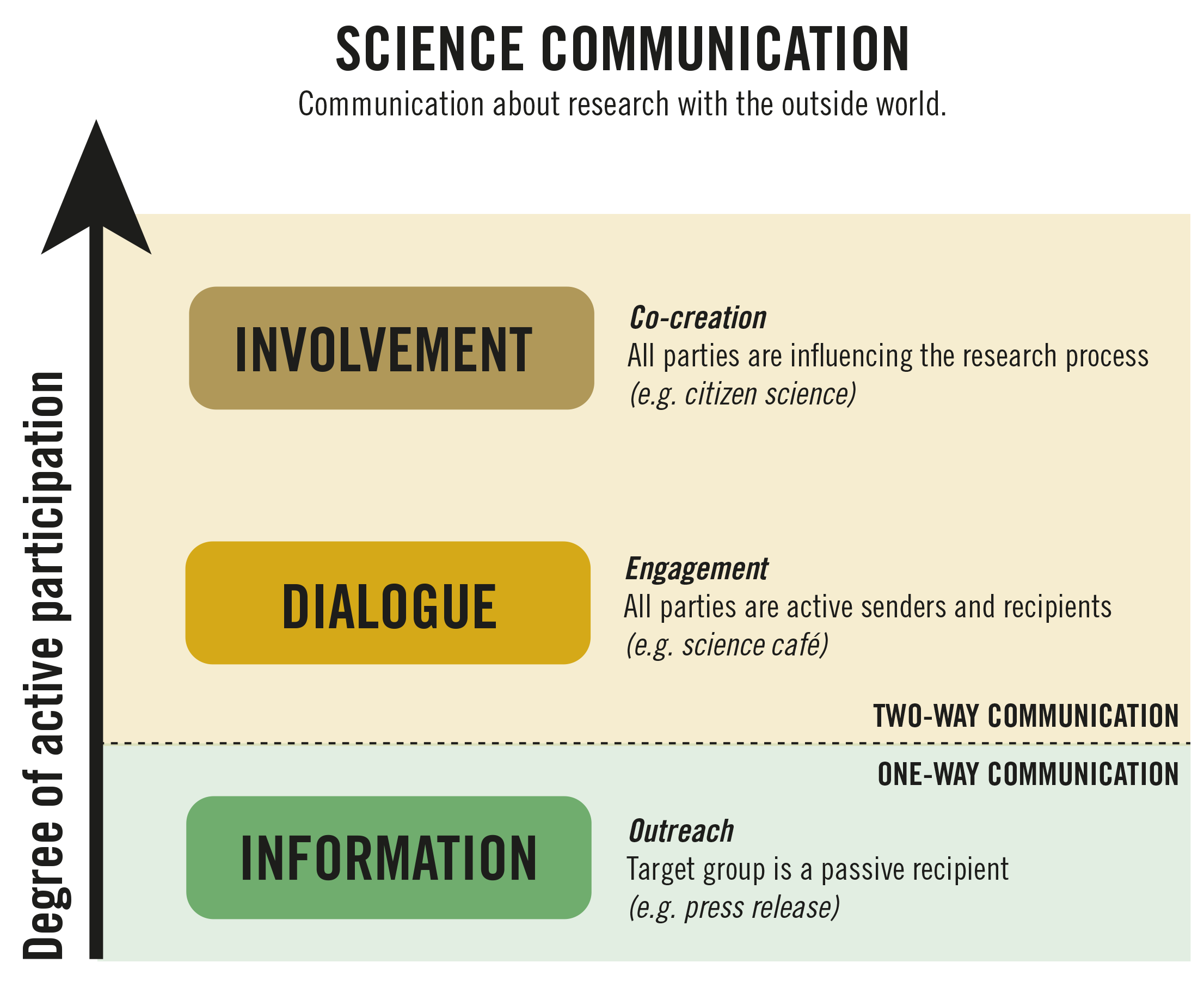
Illustration: Lotta W Tomasson/Vetenskap & Allmänhet CC BY-NC-SA 4.0
How does Public & Science Sweden work with science communication?
We run and have been involved in many projects that promote science communication
Here are some examples:
- Researchers’ views on science communication and open science
– a survey of Swedish researchers’ views on communication and open science. In the study, we investigated both researchers’ attitudes and the activities they undertake, as well as the obstacles they experience when communicating their research in 2019. - ForskarFredag – European Researchers’ Night in Sweden
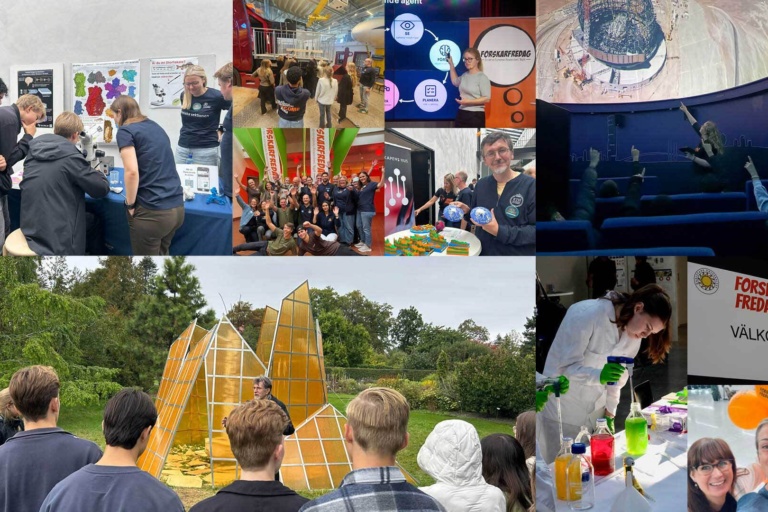
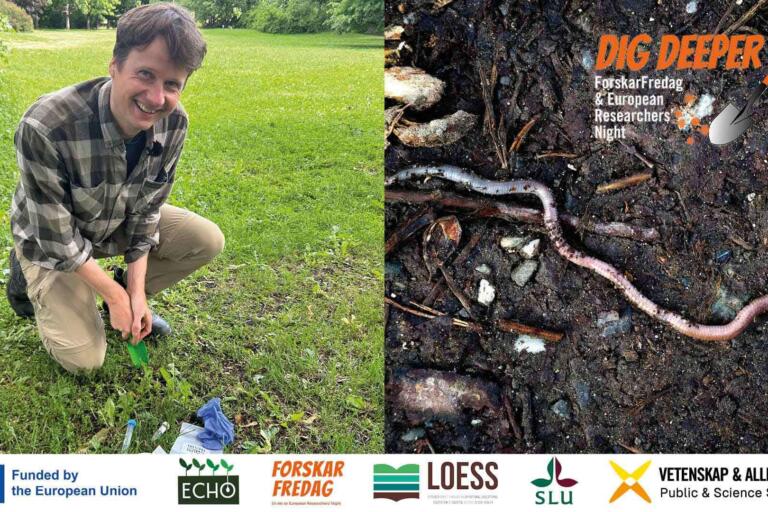
– The last Friday in September has been declared European Researchers’ Night by the European Commission. Events are organised annually in over 370 cities throughout Europe. Known as ForskarFredag in Sweden, the science festival creates opportunities for dialogue and meetings between researchers and the general public to highlight what science is about, how research is conducted, and that research is exciting and relevant to our everyday lives. - Researchers’ Grand Prix
– Sweden’s largest science communication competition for researchers. Participating researchers are coached in how to present their research in just four minutes in front of an expert jury and public audience, who together decide the winner. - Resource centre for science communication
– Network for science communication course facilitators in Sweden. - Science communication toolbox
– A toolbox that aimed to provide inspiration and ideas for a variety of activities to communicate research. The starting point was activities organised during the annual European Researchers Night in Sweden ForskarFredag.