Folk och Forskning 2027 - Learning from history
How can we draw on history to understand the present, find answers to today's challenges and hopefully make better decisions for the future? This is the question we want to explore together on 28 April.
28 Apr 2027
09:00–19:00
Universitetshuset, Uppsala universitet
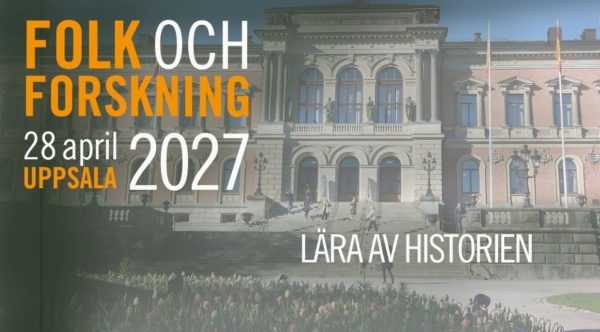
SAVE THE DATE
Folk och Forskning (Science and Society) is our annual forum for dialogue on evidence-based decision-making, bringing together researchers, practitioners, politicians, representatives of interest organisations, businesses and civil society for open discussions.
This year’s theme: Learning from History
Never before in history have we had access to so much information. With just a few clicks, we can access humanity’s accumulated documented knowledge. At the same time, we face enormous and complex societal challenges resulting from the actions and decisions of previous generations – the climate crisis, biodiversity loss and growing social inequalities. Yet experience and many potential solutions can be found in our shared knowledge base. These may relate to medical mistakes and advances, the fragility and resilience of democracy, or technological development and its ethical challenges. Despite our access to information, however, today’s information landscape is characterised by fragmentation, often focusing on the present and the individual. This risks hindering the development and sharing of collective knowledge.
The programme, which is currently being developed, will focus on the following themes:
- Climate and environment
- Peace and conflict
- Democracy
- Medicine and health
All discussions will focus on what we can learn from history to make evidence-informed decisions for a sustainable future.
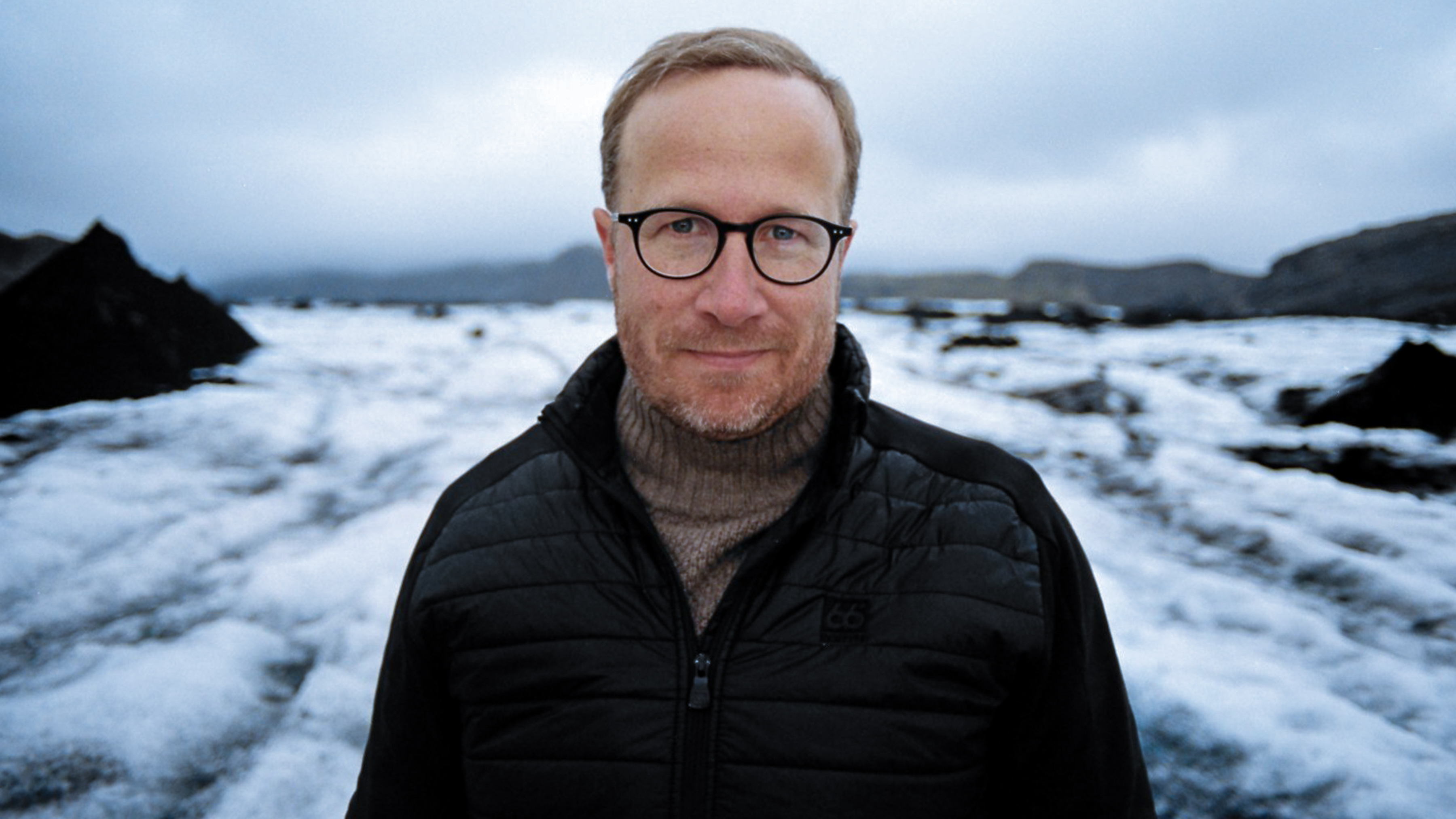
The opening keynote speaker will be Icelandic author and documentary filmmaker Andri Magnason, who will reflect on our relationship with time.
Most of the conference is held in Swedish, but a couple of Roundtable discussions and international speakers will be arranged this year.
Examples of questions for roundtable discussions
Democracy
- Are there recurring historical patterns in which minority rights come under pressure as democratic safeguards begin to weaken? What can we learn from these patterns?
- What can Sweden’s historical popular movements and tradition of adult education teach us about building democratic resilience and active citizenship today?
- What role does historical knowledge play in maintaining constructive public debate? And in what ways can historical knowledge be used to undermine or radicalise political debate?
- How is today’s increasingly blurred understanding of social class affected by new categories such as gender, age and racialisation?
- According to the Swedish primary school curriculum, younger pupils should learn about their local communities. How can researchers, teachers, local heritage organisations and politicians work together to develop children’s understanding of their local area, identities and sense of belonging through local history, including children whose families originate from other countries
Peace and conflict
- How can we talk about peace in an age dominated by presentism and conflict?
- How can we strengthen our historical knowledge to become more resilient to influence campaigns designed to distort historical narratives?
- Which global structures have shaped today’s inequalities in the Global South, and how does our lack of historical awareness influence attitudes towards development aid today?
- What challenges do the development of drones and the AI arms race present?
- What lessons can we draw from previous technological breakthroughs, such as nuclear weapons, the telegraph and radar technology?
Climate and environment
- Which historical transformations offer the most relevant lessons for today’s sustainability transition, and why?
- How can we achieve a socially sustainable green transition? What can we learn from previous historical transformations, such as industrialisation and the development of the welfare state during the twentieth century?
- How has our relationship with nature changed over time, and how does this affect the prospects for a green transition? What can we learn from the history of technological development to anticipate future developments?
- Breakthroughs in solar and wind power, as well as battery technology, have created entirely new opportunities to move away from fossil fuels. At the same time, the IT revolution and AI are both accelerating this development and becoming major consumers of energy, potentially delaying the transition. What can we learn from previous technological leaps?
Medicine/health
- The history, economics and politics of diagnosis. What can we learn from historical examples of diagnoses that have moved from being questioned to widely recognised, and vice versa – conditions that have effectively been “abolished” as diagnoses?
- The history of menopause. What can we learn from historical attitudes towards menopause? In what ways might increased attention to menopause strengthen, or conversely undermine, women’s position in society?
- How can society create opportunities to draw on older people’s experiences and learn from the history of previous generations?
- What can we learn from historical mistakes in medicine – from surgical procedures such as lobotomy to scientific practices such as racial biology?
Registration for the conference will open in early 2027
We want to create a coherent programme with broad representation from research, civil society and politics. We are looking for ideas and perspectives on this year’s themes, as well as additional angles on the proposed questions and participants who can contribute different perspectives – and we would welcome your help!
Each roundtable discussion should bring together researchers from different disciplines, practitioners, civil society representatives and decision-makers. We therefore welcome your suggestions for participants from all these groups.
If you feel that an important question is missing, there is still an opportunity to contribute ideas for a small number of additional roundtable discussions or panel sessions. We therefore also welcome entirely new proposals, a selection of which we will be able to develop further.
We welcome your suggestions!
Created: 17 November 2026
Last edited: 18 November 2026